


We design, manufacture, and distribute a wide array of Tamper-Evident Cash Deposit, Evidence, Casino, and other bags for financial institutions, retailers, churches, restaurants, law enforcement, payroll firms and more.
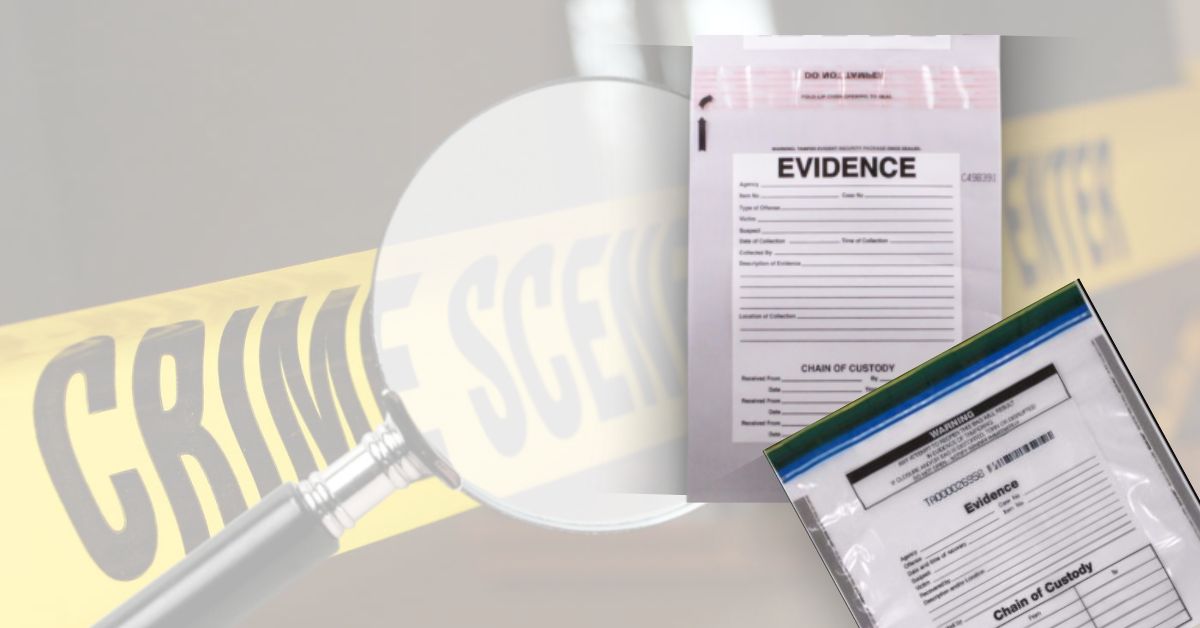
One torn seal or the wrong bag can undo months of forensic work. Selecting the right crime scene investigation bags protects evidence from contamination, tampering, and a broken chain of custody, often the line between a case that holds up in court and one that doesn’t. Grab the wrong bag and biological evidence degrades, prints smear, or a defense attorney finds an opening. Match the container to the evidence type, and you walk onto any scene ready.
A mislabeled or damaged bag can knock evidence out of a case entirely, no matter how strong it looked at the scene. Courts expect proof that nobody touched, altered, or swapped evidence between collection and testimony, and the bag itself supplies that proof.
Investigators depend on the right material, seal, and label to keep biological samples, prints, and trace evidence intact until a lab technician opens it under controlled conditions.
A few details make bag selection simple: the evidence type, the fit, the need to see the contents, and the seal. Cover those four, and the packaging holds up through trial:
Paper and plastic evidence bags aren’t interchangeable, as each one protects a different kind of evidence in its own way. Paper bags breathe, letting blood, DNA swabs, and other biological material dry out instead of growing mold inside a sealed pouch.
Plastic evidence bags block moisture, which makes them a better fit for firearms, documents, and electronics that need to stay dry. Departments that stock both pair paper for wet biological evidence with tamper-evident plastic bags for everything else.
Three features combine to make a bag tamper-evident: the seal, the serial number, and the writable panel. Press a tamper-evident seal shut, and it locks immediately, revealing a permanent VOID message the moment anyone tries to open it, the same technology behind Connover’s Secur-Pak line.
Serialized numbering and barcoding turn each bag into a tracked, loggable unit, while a writable panel gives collectors room to log the case number, date, and location right on the bag.
Agencies can spec all three into a single bag through custom security packaging.
Not every piece of evidence calls for the same bag. Crime scene evidence bags split into a few specialized categories, each built for a different stage: collection, transport, or long-term storage.
Choose between the following:
A single evidence bag rarely travels alone. Pack narcotics, biological samples, and firearms together in one transport case, and a leak or puncture in one bag can contaminate everything sitting next to it. A few practices keep that risk contained and the record clean.
Departments that build these habits into daily routine spend less time explaining gaps in the record on the witness stand.
Every case starts long before a jury sees the evidence. It starts with the bag that holds it. Connover Packaging manufactures tamper-evident, serialized, and custom evidence bags that survive collection, transport, and testimony without a single gap in the record.
Explore evidence bag options or request a quote to outfit your department with packaging built for the job.
No, reusing a bag risks cross-contamination and breaks the tamper-evident seal that proves nobody touched the contents, so agencies use a new bag for every item collected.
Match the bag size to the item: small bags for narcotics or shell casings, larger or oversized bags for clothing, weapons, or bulky items.
Connover ships stock sizes with no minimum order, so a single department or a statewide agency can order exactly what it needs.
Stock evidence bags typically ship within a day or two, while custom-printed or serialized orders take about four weeks once artwork is approved.




Proper evidence handling is the backbone of any successful investigation. From crime scenes to courtrooms, the integrity of physical evidence determines whether facts hold up

In modern healthcare environments, safe and reliable packaging plays a critical role in infection control, organization, and operational efficiency. From hospitals and clinics to laboratories

Packaging plays a critical role in retail operations, customer experience, and brand perception. One of the most important decisions retailers face today is choosing between