

We design, manufacture, and distribute a wide array of Tamper-Evident Cash Deposit, Evidence, Casino, and other bags for financial institutions, retailers, churches, restaurants, law enforcement, payroll firms and more.
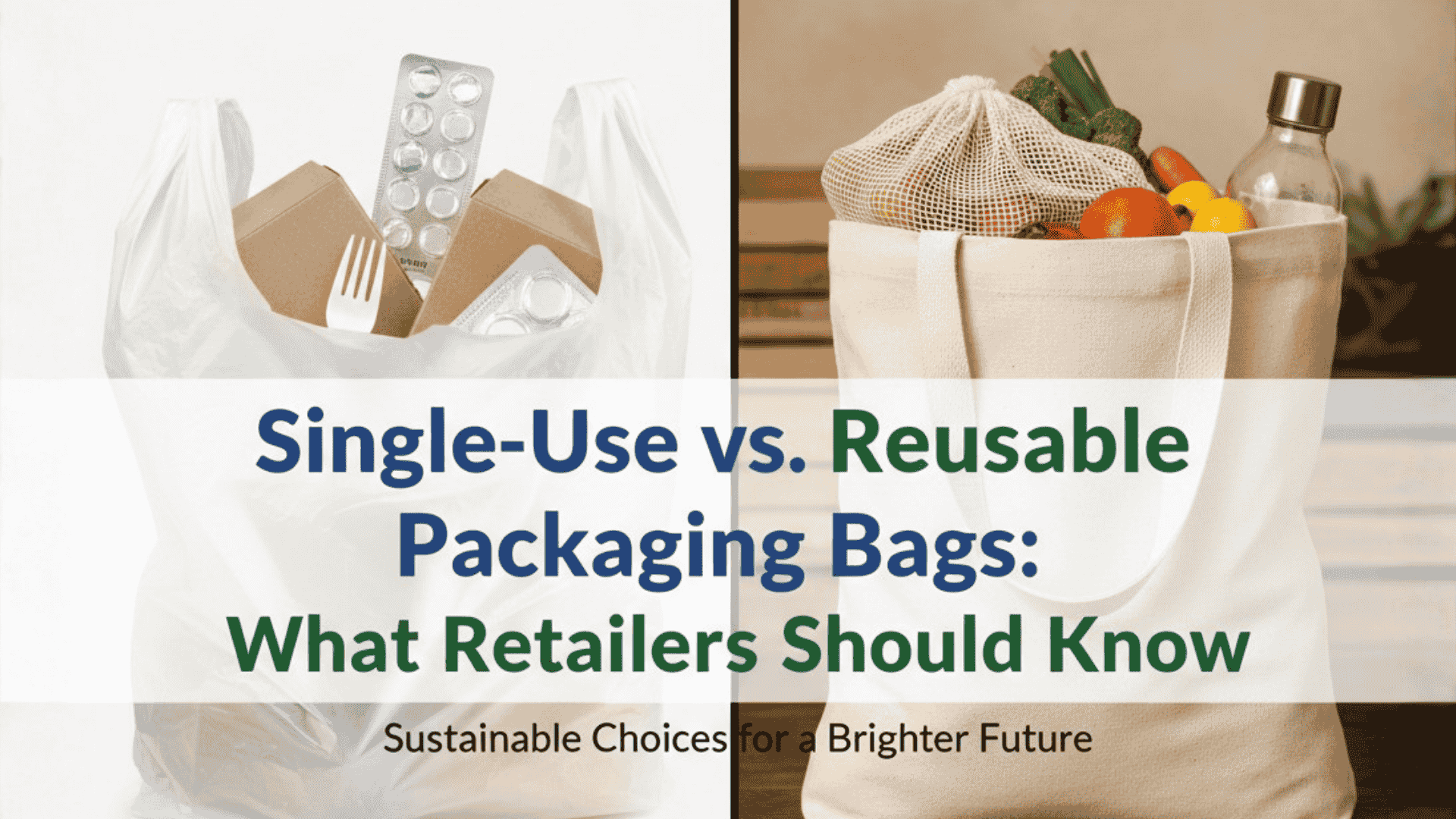
Packaging plays a critical role in retail operations, customer experience, and brand perception. One of the most important decisions retailers face today is choosing between single-use and reusable packaging bags. With increasing environmental awareness, changing regulations, and shifting consumer preferences, understanding the pros and cons of each option is essential. This guide explores single use vs reusable bags, helping retailers make informed decisions that align with their business goals, budget, and sustainability values.
Single-use bags are designed for one-time or short-term use. Common examples include plastic grocery bags, paper checkout bags, and lightweight carryout bags. Single-use bags for retail remain widely used due to their low cost, convenience, and ease of storage.
From a business perspective, single-use bags are easy to order in bulk and require minimal upfront investment. They are lightweight, efficient for high-volume transactions, and familiar to customers. Many retailers still rely on single vs reusable shopping bags strategies that favor single-use options for speed and operational simplicity.
However, single-use bags, particularly plastic, have become a major environmental concern. They contribute to landfill waste, pollution, and marine harm when not properly disposed of or recycled. As a result, many cities and states have introduced restrictions or bans, pushing retailers to rethink plastic vs reusable bags as part of their long-term strategy. Learn how single-use plastic harms ecosystems, pollutes oceans, and threatens wildlife, highlighting why reducing disposable plastic is crucial for environmental health.
Despite environmental concerns, single-use bags still offer several advantages:
For businesses operating on thin margins or serving customers who expect convenience, single-use bags for retail can still be practical. Paper-based single-use bags, in particular, are often seen as a more eco-friendly alternative to plastic, though they still require resources to produce.
The biggest drawback of single-use bags is sustainability. Consumers are increasingly aware of environmental issues and may view excessive single-use packaging as outdated or irresponsible. Retailers who rely heavily on them may face reputational challenges, especially when competitors adopt greener alternatives.
Additionally, regulatory changes can increase costs or limit availability. Retailers must stay informed about local laws when deciding between single use vs reusable bags, as compliance can directly affect operations.
Reusable bags are designed for long-term use and multiple shopping trips. They are commonly made from materials like woven polypropylene, canvas, cotton, or heavy-duty plastic. Reusable bags for stores are often sold or provided as part of sustainability initiatives.
These bags are durable, washable, and capable of carrying heavier loads. Many retailers position them as a premium option, reinforcing brand values around sustainability and responsibility. In the debate of single vs reusable shopping bags, reusable options are often favored by environmentally conscious consumers.
Reusable bags offer several long-term advantages:
From a marketing perspective, reusable bags act as walking advertisements. Each reuse reinforces brand visibility, making them some of the best bags for retail store branding strategies when designed well.
Despite their benefits, reusable bags are not without challenges. They typically have a higher upfront cost, which may be passed on to customers or absorbed by the retailer. Some customers may forget to bring them, leading to frustration at checkout.
There are also hygiene considerations, particularly in grocery and food retail. Retailers must educate customers on proper cleaning and usage. When evaluating plastic vs reusable bags, these operational considerations should be part of the decision-making process.
In the short term, single-use bags are cheaper and easier to manage. However, over time, reusable bags may offer better value. While the initial investment is higher, they reduce the need for constant reordering and can strengthen customer relationships.
Retailers evaluating single use vs reusable bags should consider not only direct costs but also indirect benefits such as customer loyalty, brand perception, and regulatory compliance.
Modern consumers increasingly prefer sustainable options. Many shoppers actively choose retailers that offer eco-friendly packaging. Providing reusable bags can signal that your business is forward-thinking and socially responsible.
That said, customer demographics matter. Some markets still expect free single-use bags, while others are willing to pay for or bring reusable ones. A hybrid approach, offering both options, can help balance convenience and sustainability when choosing single-use bags for retail alongside reusable alternatives.
There is no one-size-fits-all answer when deciding on the best bags for retail store use. The right choice depends on your industry, customer base, local regulations, and brand identity.
Many retailers succeed by combining strategies: offering reusable bags for purchase while providing limited single-use options when needed. This approach allows flexibility while gradually encouraging sustainable habits.
When comparing plastic vs reusable bags, consider durability, lifecycle impact, customer preference, and branding opportunities, not just cost. Discover key industrial uses of reclosable bags, including organization, protection, and inventory management to improve efficiency across manufacturing and logistics operations.
The debate over single use vs reusable bags is ultimately about balance. Single-use bags offer convenience and affordability, while reusable bags provide sustainability and long-term brand value. Retailers who thoughtfully evaluate both options can create packaging strategies that meet customer needs, comply with regulations, and support environmental responsibility.
By understanding the advantages and limitations of single vs reusable shopping bags, businesses can make smarter packaging decisions that benefit both their bottom line and the planet. Whether you prioritize convenience, sustainability, or a mix of both, choosing the right packaging bags is an investment in your retail brand’s future. Connover Packaging delivers high-quality packaging solutions, helping businesses optimize efficiency, reduce waste, and enhance product presentation with customizable industrial packaging options. Get your personalized packaging quote quickly from Connover Packaging, fast, accurate pricing to meet your business needs and custom specifications.



Proper evidence handling is the backbone of any successful investigation. From crime scenes to courtrooms, the integrity of physical evidence determines whether facts hold up

In modern healthcare environments, safe and reliable packaging plays a critical role in infection control, organization, and operational efficiency. From hospitals and clinics to laboratories
Packaging plays a critical role in retail operations, customer experience, and brand perception. One of the most important decisions retailers face today is choosing between