

We design, manufacture, and distribute a wide array of Tamper-Evident Cash Deposit, Evidence, Casino, and other bags for financial institutions, retailers, churches, restaurants, law enforcement, payroll firms and more.

Plastic shopping bags have sparked fierce debate among consumers, businesses, and policymakers around the world. While these bags offer convenience and affordability, they’re often at the center of environmental discussions, public policy debates, and corporate sustainability strategies. For retailers, understanding the common misconceptions plastic bags face, and separating myths from facts, is essential to making informed decisions that balance customer needs, environmental responsibility, and business viability.
This comprehensive guide explores the myths about plastic shopping bags, examines the evidence behind public perceptions, and offers practical insights for retailers navigating this complex landscape.
Plastic shopping bags became popular in the latter half of the 20th century because they were lightweight, inexpensive to produce, and convenient for both retailers and customers. Over time, however, they became symbolic of broader concerns about waste, pollution, and consumerism.
Despite ongoing debates, millions of people continue to use plastic bags daily. Understanding why these bags remain ubiquitous, and why perceptions differ so widely, is key to exploring the customers’ plastic bags preference and the narratives surrounding these products. This resource highlights shocking plastic bag facts, including global usage, deadly impacts on wildlife, low recycling rates, and long‑lasting environmental damage, urging sustainable action.
There are numerous myths about plastic shopping bags, many of which have shaped public opinion and influenced policy. Let’s explore some of the most prevalent.
One of the biggest plastic bags pollution myth narratives suggests that plastic bags are universally destructive and have no redeeming value. While it’s true that improperly disposed plastic bags can contribute to litter and harm wildlife, the reality is more nuanced.
Plastic bags are recyclable and, when managed properly, can have a lower environmental footprint than alternatives. In fact, life cycle analyses have shown that reusable bags must be used many times over before they match the environmental impact of single‑use plastic bags due to the resources required to produce heavier reusable options like cotton or canvas.
The common misconceptions plastic bags narrative often overlooks these comparative environmental trade‑offs, focusing instead on visible pollution without acknowledging broader context.
Images of plastic bags floating in waterways have cemented the idea that they are the principal cause of ocean pollution. However, scientific research indicates that plastic bags represent a small percentage of the plastic waste found in oceans. Microplastics, tiny plastic particles from a wide range of sources, including synthetic textiles and tire wear, constitute a far larger share of ocean pollution.
This persistent plastic bags pollution myth has led many retailers to assume that eliminating plastic bags will vastly reduce marine debris. While reducing plastic waste is beneficial, tackling ocean pollution requires a multi‑faceted approach that goes beyond single‑use bag bans.
Another widespread misconception is that all consumers want to abandon plastic shopping bags in favor of reusable or alternative options. The truth is more complex.
Many customers prefer plastic bags because they are lightweight, water‑resistant, and convenient, especially for carrying groceries, transporting items, or repurposing them for household uses like trash liners. While a segment of environmentally conscious consumers may favor reusable bags, others still value the practicality of plastic bags. This highlights the importance of understanding customers’ plastic bags preference rather than assuming uniform sentiment.
Evaluating the environmental impact of plastic shopping bags requires a balanced, evidence‑based approach. While plastic bags do contribute to waste, especially if not disposed of properly, they are part of a broader waste stream that includes packaging materials, electronics, and textile waste.
Importantly:
Retailers can play a role in promoting responsible disposal and recycling initiatives that go beyond the simplistic myths about plastic shopping bags often cited in media and policy debates. Learn why carrying a reusable bag can make a meaningful difference for the planet and help reduce waste.
The Truth About Alternatives
Some retailers have replaced plastic shopping bags with alternatives like paper, cotton, or biodegradable options. However, these substitutes come with their own environmental costs.
For example:
This complex reality highlights why some of the common misconceptions plastic bags revolve around oversimplified “good vs. bad” narratives that fail to account for full life cycle impacts. Discover the practical benefits of plastic shopping bags and gain eco‑friendly insights that go beyond common perceptions. This article explores how plastic bags can be responsibly used, recycled, and integrated into sustainable practices. Explore why wholesale plastic bags are a cost‑effective choice for every business looking to optimize packaging expenses without sacrificing quality. This article breaks down the financial and operational advantages of buying in bulk, including savings, inventory flexibility, and consistent supply.
Policy decisions, such as plastic bag bans or taxes, have varying impacts on consumer behavior. In some regions, fees on plastic bags have led customers to bring reusable bags more often. In others, the result has been increased purchase of other single‑use options that might not be environmentally superior.
Retailers must understand that policy changes do not automatically solve environmental issues; they influence behavior, but context matters. Customer education and infrastructure for recycling and waste management are equally crucial.
Retailers play a pivotal role in shaping consumer perceptions and behaviors. Here is how they can thoughtfully approach misinformation and make balanced decisions:
Rather than simply complying with popular myths, retailers can share accurate information about plastic bags’ environmental role, recycling options, and comparative impacts of alternatives. Education builds trust and empowers informed choices.
Rather than eliminating plastic bags outright, consider offering multiple choices: plastic, reusable, and alternative materials. Providing options respects diverse customer preferences and promotes shared responsibility.
Encourage customers to return plastic bags for proper recycling. Many regions have dedicated collection points, and providing clear guidance helps reduce litter and waste.
Every market is different. In areas where customers express strong environmental concerns, prioritizing reusable options may resonate. In other regions, convenience may be a higher priority. Tailoring your approach based on actual customers’ plastic bags preference can improve satisfaction without compromising sustainability goals.
One of the most persistent plastic bags pollution myth claims is that banning them will dramatically reduce overall environmental impact. While bans can reduce visible litter, they do not address broader waste challenges such as microplastic contamination, packaging waste from other sources, and industrial pollution.
A more holistic environmental strategy includes:
Retailers who embrace a broader perspective can lead meaningful change without relying on oversimplified narratives.
As sustainability remains a priority for many consumers and businesses, the conversation around plastic shopping bags continues to evolve. Innovation in materials science, improved recycling systems, and smarter supply chain practices will shape the future of retail packaging.
Retailers who stay informed, challenge myths about plastic shopping bags, and engage customers with facts will be better positioned to adapt, balancing operational efficiency with environmental stewardship.
Understanding the reality behind plastic shopping bags and the common misconceptions plastic bags face is essential for any retailer aiming to make informed, responsible decisions. Myths about environmental harm, customer preferences, and pollution often oversimplify a complex issue and can lead to misguided policies or practices.
By examining evidence, listening to customer behavior, and offering thoughtful options, retailers can support sustainability while respecting convenience and practicality. If you’re looking for reliable solutions and expert guidance on packaging decisions that balance performance, cost, and environmental considerations, Connover Packaging is the right partner to help you navigate these challenges with confidence. Ready to streamline your packaging solutions? Request a customized quote from Connover Packaging and get expert recommendations tailored to your business needs.



Proper evidence handling is the backbone of any successful investigation. From crime scenes to courtrooms, the integrity of physical evidence determines whether facts hold up

In modern healthcare environments, safe and reliable packaging plays a critical role in infection control, organization, and operational efficiency. From hospitals and clinics to laboratories
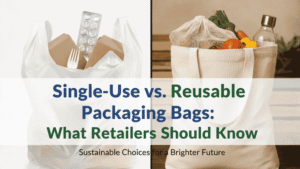
Packaging plays a critical role in retail operations, customer experience, and brand perception. One of the most important decisions retailers face today is choosing between