
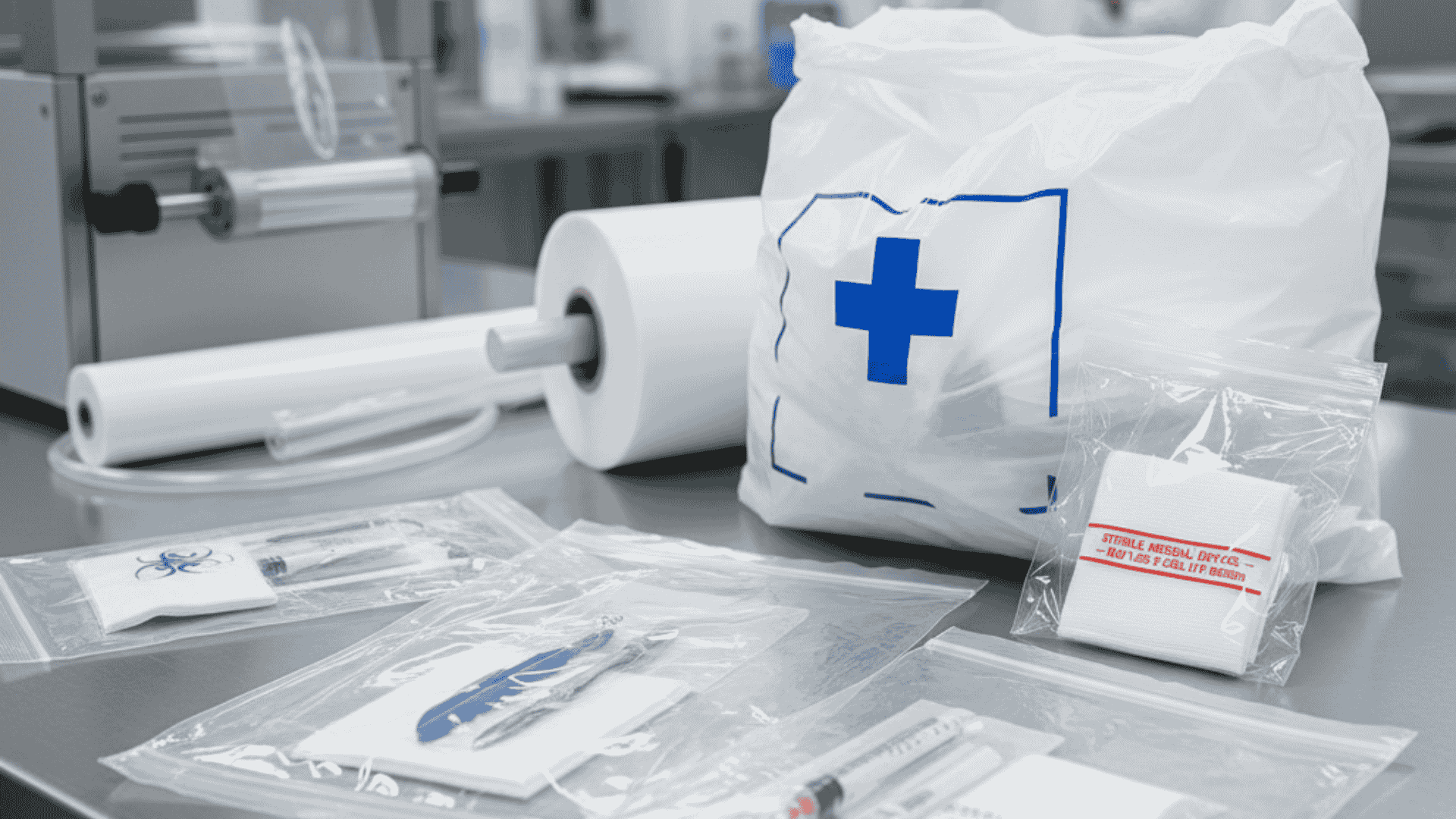
In modern healthcare environments, safe and reliable packaging plays a critical role in infection control, organization, and operational efficiency. From hospitals and clinics to laboratories and pharmacies, plastic bags are indispensable tools used to store, protect, and transport medical items safely. Choosing the right packaging helps prevent contamination, ensures regulatory compliance, and improves workflow.
This article explores 11 essential types of plastic bags in healthcare, explaining their specific uses and importance in medical settings. Understanding these healthcare packaging bags can help healthcare providers, suppliers, and administrators make informed decisions that support patient safety and operational excellence.
Healthcare facilities handle a wide variety of materials every day, medications, specimens, instruments, documents, and waste. Each item requires proper containment to maintain hygiene, traceability, and safety. Medical plastic bags are designed to meet these needs by offering durability, clarity, and specialized closure systems.
Unlike general-purpose packaging, hospital plastic bags are manufactured to meet healthcare standards, ensuring they can withstand handling, resist contamination, and support efficient medical processes. This article explains how plastic packaging protects medical healthcare products, ensures sterility, enhances safety, and supports efficient storage and transport in medical settings.

Specimen transport bags are among the most critical plastic bags used in healthcare settings. They are designed to safely carry biological samples such as blood, urine, or tissue from collection points to laboratories.
These bags typically feature:
Proper specimen packaging helps protect healthcare workers while maintaining sample integrity during transport.
Pharmacy bags are used to dispense medications safely and clearly to patients. They often include space for prescription labels, dosage instructions, and warnings.
In hospitals and retail pharmacies, these bags help:
Their clarity and strength make them essential for pharmaceutical operations.
Ziploc medical bags feature resealable closures that allow repeated opening and closing without compromising security. These bags are commonly used for temporary storage of medical supplies, patient belongings, or non-sterile instruments.
Their versatility makes them ideal for:
They offer convenience while maintaining cleanliness.
Adhesive closure bags use peel-and-seal strips that provide tamper-evident security. Once sealed, these bags clearly show if they’ve been opened.
They are widely used for:
These bags support compliance and accountability in healthcare workflows.
Hospital linen bags are designed to store and transport clean or soiled linens. Color-coded options help staff separate contaminated materials from clean items, reducing cross-contamination risks.
As part of hospital plastic bags, they contribute significantly to infection control and laundry management.
Biohazard waste bags are used to safely contain medical waste such as gloves, dressings, and disposable instruments. These bags are typically marked with biohazard symbols and made from strong, puncture-resistant materials.
They play a vital role in:
Medical instruments often require protective packaging before sterilization or storage. Instrument packaging bags help keep tools clean and organized while allowing for visibility and identification.
These medical plastic bags are commonly used in surgical departments and sterilization units.
When patients are admitted to hospitals, their personal items must be stored securely. Patient belongings bags provide a hygienic and organized way to manage these items during treatment.
Often used in emergency rooms and inpatient units, these bags help reduce loss and maintain accountability.
Healthcare facilities handle sensitive paperwork daily. Document bags protect medical records, consent forms, and test results from moisture and damage.
These healthcare packaging bags often include separate compartments to keep documents isolated from medical items.
Certain plastic bags are used to store IV kits, tubing, and related supplies. These bags help maintain sterility and ensure quick access during emergencies.
Their durability and clarity make them essential for high-pressure medical environments.
Diagnostic kits, such as COVID-19 or rapid test kits, require secure packaging to ensure accuracy and safety. These bags protect components from contamination and environmental exposure.
They are increasingly important as healthcare relies more on point-of-care testing.
With so many types of plastic bags in healthcare, selecting the right option depends on the intended use, level of protection required, and regulatory standards. Poor-quality packaging can lead to contamination, sample loss, or compliance issues.
High-quality medical plastic bags are designed to:
Healthcare providers should work with trusted packaging suppliers to ensure reliability and consistency. This blog debunks common plastic shopping bag myths, offering retailers clarity on sustainability, cost, and consumer perceptions.
As sustainability becomes a priority, many manufacturers now offer recyclable or eco-friendly healthcare packaging bags. While safety remains the top concern, environmentally responsible options can help healthcare facilities reduce their environmental impact without compromising quality.
Plastic bags are far more than simple containers in healthcare environments, they are essential tools that support safety, organization, and efficiency. From specimen transport bags and pharmacy bags to adhesive closure bags and ziploc medical bags, each type serves a specific and critical function.
By understanding the various types of plastic bags in healthcare, medical facilities can improve workflows, enhance patient care, and meet strict safety standards. Investing in the right medical plastic bags is not just a logistical decision, it’s a commitment to quality healthcare delivery. Connover Packaging provides custom packaging solutions, eco-friendly options, and expert support for businesses needing quality retail and industrial packaging materials. Request a packaging quote from Connover Packaging to receive personalized pricing and solutions tailored to your product, volume, and business needs.


Proper evidence handling is the backbone of any successful investigation. From crime scenes to courtrooms, the integrity of physical evidence determines whether facts hold up

In modern healthcare environments, safe and reliable packaging plays a critical role in infection control, organization, and operational efficiency. From hospitals and clinics to laboratories

Packaging plays a critical role in retail operations, customer experience, and brand perception. One of the most important decisions retailers face today is choosing between