

We design, manufacture, and distribute a wide array of Tamper-Evident Cash Deposit, Evidence, Casino, and other bags for financial institutions, retailers, churches, restaurants, law enforcement, payroll firms and more.
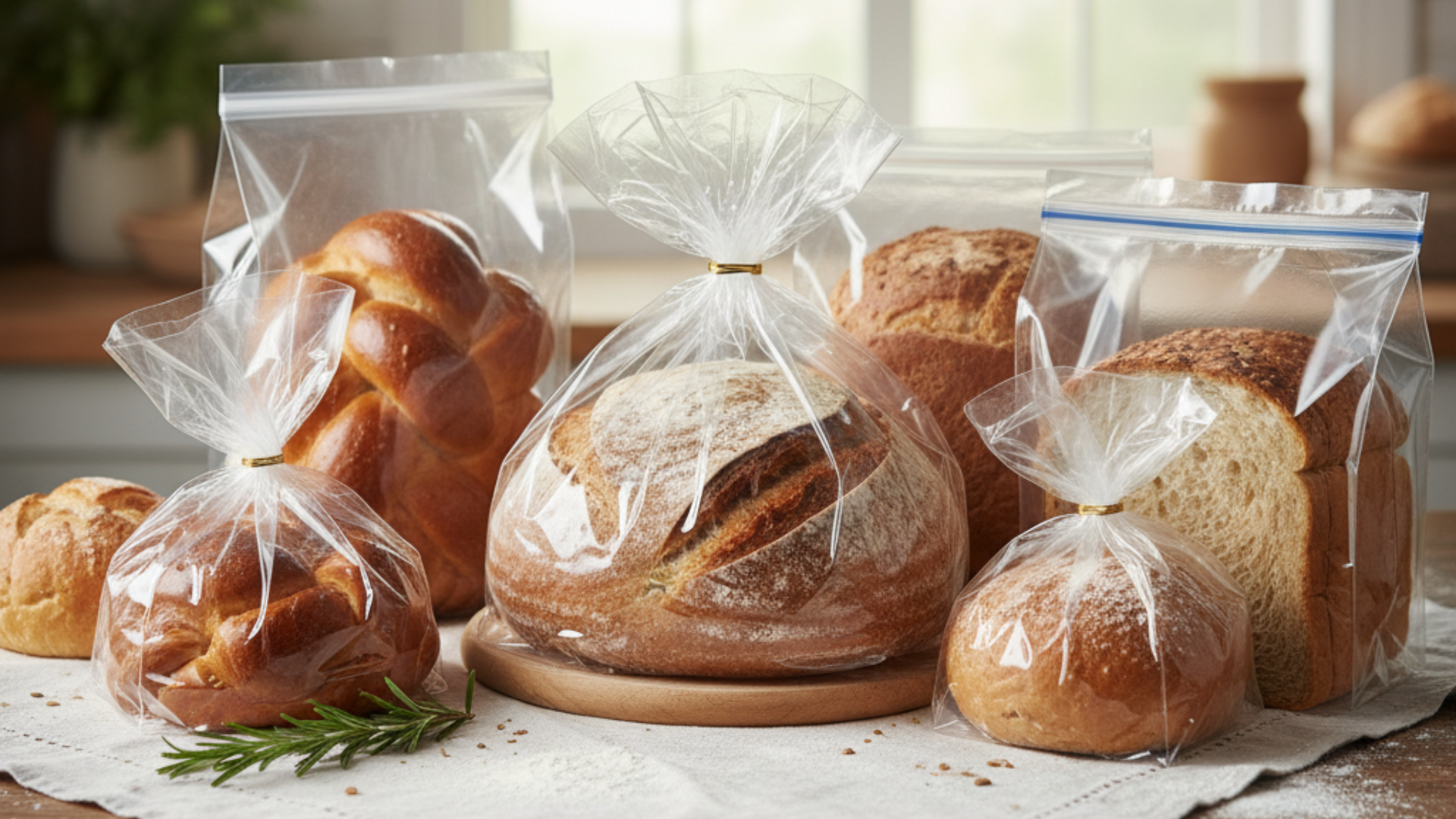
In today’s competitive baking industry, quality ingredients and expert recipes are only part of the equation. How your bread is packaged plays a crucial role in maintaining freshness, protecting texture, and influencing customer perception. Choosing the right bakery packaging can directly impact shelf life, brand image, and customer satisfaction.
Plastic bread bags remain one of the most reliable and widely used packaging solutions for bakeries of all sizes. From artisan bakeries to large-scale commercial producers, selecting the right type of bag ensures your bread stays fresh while looking appealing on store shelves.
This guide explores how to choose the best plastic bread bags for freshness and presentation, while understanding the different options available in modern bakery packaging.
Bread is highly sensitive to air, moisture, and contamination. Improper packaging can lead to staleness, mold growth, or loss of texture, issues that directly affect customer trust. Beyond protection, packaging also communicates quality, hygiene, and professionalism.
Plastic bread bags are designed to balance breathability and moisture retention, helping bread maintain its softness and flavor. When chosen correctly, they extend shelf life while enhancing visual appeal, making them a vital component of any bakery’s operations. Packaging does more than protect your baked goods, it tells your brand’s story, creates a memorable first impression, and influences customer choices. From sustainable materials to smart interactive features, modern bakery packaging ideas are essential tools for growing your business.
Before selecting the right option, it’s important to understand the different types of bread bags and how they serve specific bakery needs.
Flat bread bags are a simple, cost-effective solution ideal for sliced loaves and uniform bread shapes. They offer excellent visibility and are easy to seal, making them a popular choice for daily bakery operations.
These bags work well when the presentation is minimal yet clean, allowing customers to see the product clearly.
Gusseted bread bags feature expandable sides that provide extra space for larger or irregularly shaped loaves. They are particularly useful for artisan breads, specialty loaves, and products requiring additional room without compromising structure.
This design improves both presentation and functionality by accommodating volume while maintaining stability.
Header pack bread bags include a reinforced header area that allows for hanging displays or branding labels. These bags are ideal for retail environments where shelf visibility and brand recognition are important.
They also provide space for product information, nutritional details, and logos, enhancing the overall marketing appeal.
Flip-top saddle pack bags are designed for easy opening and resealing, making them convenient for consumers. These bags are often used for specialty breads and baked goods that require frequent access while preserving freshness.
Their user-friendly design adds value to the customer experience and supports repeat usage.
One of the most important considerations in bakery packaging is the type of plastic used. High-quality materials ensure durability, hygiene, and food safety.
High-density polyethylene bags are commonly used in bread packaging due to their strength, flexibility, and resistance to moisture. These bags provide excellent protection while remaining lightweight and cost-efficient.
HDPE bread bags are especially valued for their clarity and durability, allowing bread to remain visible while being securely protected during transport and storage.
The primary purpose of bread bakery bags is to maintain freshness. Proper plastic packaging helps regulate airflow, preventing excessive moisture buildup while slowing down the staling process.
Well-designed plastic bread bags protect bread from external contaminants such as dust, bacteria, and handling, ensuring the product reaches customers in optimal condition. Choosing the right thickness and seal type is essential for maintaining this balance.
In retail settings, packaging is often the first point of interaction between the customer and the product. Clean, well-fitted plastic bread bags enhance visual appeal and convey professionalism.
Transparent packaging allows customers to inspect texture, color, and freshness, building confidence in the product. Branded labels, twist ties, or printed headers can further elevate presentation without adding complexity.
Effective bakery packaging doesn’t just protect, it tells a story about quality, care, and consistency.
When selecting bread packaging, bakeries should consider:
Choosing the right packaging solution ensures operational efficiency while maintaining product integrity.
While plastic remains widely used for bread packaging, many suppliers now offer options that align with sustainability goals. Lightweight materials, recyclable plastics, and reduced packaging waste can support environmentally responsible practices without compromising quality.
By working with reliable packaging providers, bakeries can explore solutions that balance performance, cost, and sustainability.
Investing in high-quality plastic bread bags reduces product loss, improves shelf presence, and enhances customer satisfaction. Poor packaging can lead to wasted inventory, damaged reputation, and lost sales.
By understanding the available options and selecting packaging tailored to specific products, bakeries can strengthen both operational efficiency and brand credibility. Clear plastic bread bags are a popular choice for bakeries, grocery stores, and food manufacturers due to their visibility, durability, and food-safe design. Understanding the available sizes and features helps ensure freshness, protection, and attractive product presentation
Choosing the right bread packaging is not just a technical decision, it’s a strategic one. From preserving freshness to enhancing presentation, the right plastic bread bags support product quality and customer trust.
Whether you’re packaging everyday loaves or premium artisan bread, selecting the right style, material, and design ensures your baked goods are protected, presented beautifully, and ready to impress customers from shelf to table. Need custom tamper-evident, evidence, or specialty bags? Fill out this form with your specifications and we’ll send you a detailed quote.



Proper evidence handling is the backbone of any successful investigation. From crime scenes to courtrooms, the integrity of physical evidence determines whether facts hold up

In modern healthcare environments, safe and reliable packaging plays a critical role in infection control, organization, and operational efficiency. From hospitals and clinics to laboratories
Packaging plays a critical role in retail operations, customer experience, and brand perception. One of the most important decisions retailers face today is choosing between