

We design, manufacture, and distribute a wide array of Tamper-Evident Cash Deposit, Evidence, Casino, and other bags for financial institutions, retailers, churches, restaurants, law enforcement, payroll firms and more.
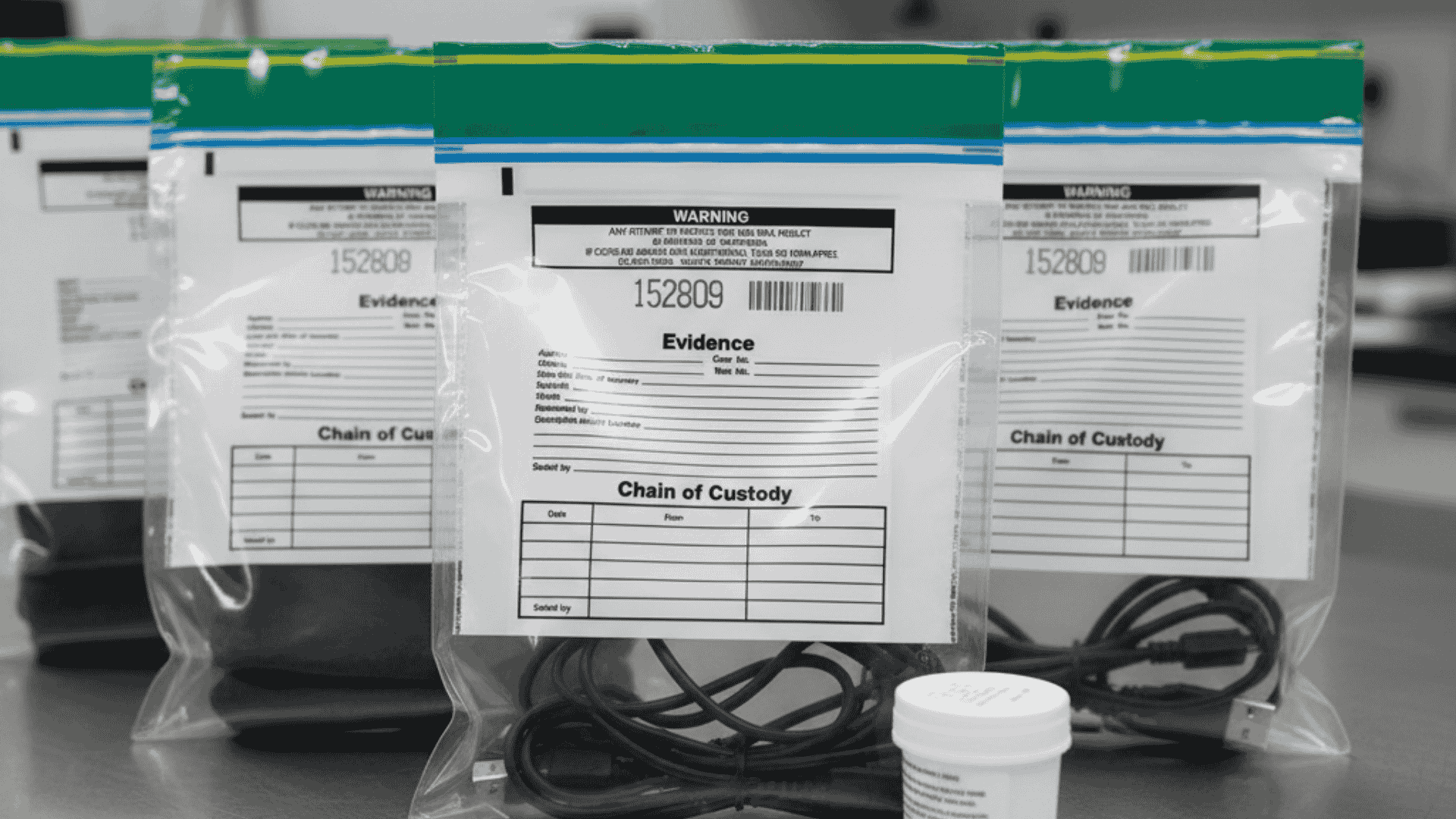
Proper evidence handling is the backbone of any successful investigation. From crime scenes to courtrooms, the integrity of physical evidence determines whether facts hold up under scrutiny. One of the most widely used tools in this process is plastic evidence bags, valued for their durability, transparency, and ease of use. However, improper handling or selection can compromise evidence, delay cases, or even render critical items inadmissible.
Below, we explore the top five mistakes professionals make when using evidence bags, and, more importantly, how to avoid them. By understanding these pitfalls, investigators, law enforcement officers, and forensic teams can protect the chain of custody and preserve evidentiary value.
Not all evidence bags are created equal. A frequent issue in investigations is selecting the wrong evidence bag type for the material being collected. Plastic bags vary by thickness, closure mechanism, and suitability for different forms of evidence such as biological samples, sharp objects, or trace materials.
Using an inappropriate bag can lead to contamination, moisture buildup, or physical damage. For example, placing wet biological evidence into a non-breathable plastic bag can promote mold growth and degrade DNA.
Careful bag selection ensures evidence remains intact from collection to analysis. Learn essential techniques from the how to properly document and store evidence bags guide for accurate, compliant forensic evidence handling.
One of the most common procedural failures involves evidence bag labeling. Missing details, illegible handwriting, or labels applied incorrectly can create confusion and weaken the chain of custody.
If evidence cannot be clearly identified or traced back to its source, its credibility in legal proceedings is at risk. Courts rely heavily on accurate documentation to confirm authenticity.
Proper labeling is a simple step that prevents major legal complications later.
Even with the right bag and label, mishandling evidence bags can undermine an entire investigation. Dropping bags, overfilling them, or stacking heavy items on top can damage or contaminate contents.
Physical damage or cross-contamination can alter evidence, making forensic analysis unreliable. This is one of the most serious forensic evidence packaging errors because it often goes unnoticed until it’s too late.
Treating evidence with care maintains its original condition and probative value.
Environmental conditions such as heat, moisture, and sunlight can have a significant impact on evidence stored in plastic bags. Overlooking these factors is among the most overlooked evidence bags mistakes in the field.
Extreme temperatures can warp plastic, weaken seals, or accelerate degradation of sensitive materials like fingerprints or biological samples.
Environmental awareness is essential for preserving evidence integrity.
Another issue professionals encounter is falling into common mistakes plastic bags usage patterns, assuming that one bag design works for every scenario. This oversimplification can lead to contamination or loss of critical details.
Different investigations require different containment strategies. A bag suitable for documents may not work for narcotics, electronics, or trace fibers.
Flexibility and education reduce the risk of avoidable errors. Get fast pricing through the custom evidence packaging quote process, tailored to your specifications, timelines, and regulatory requirements standards compliance.
Evidence handling is a detail-driven discipline where small mistakes can have serious consequences. Understanding how to properly use plastic evidence bags, and recognizing where errors commonly occur, helps protect the integrity of investigations and the justice process as a whole. From avoiding the wrong bag selection to preventing labeling and handling errors, each step plays a vital role.
When professionals commit to best practices and continuous improvement, they minimize risk and ensure that evidence tells the truth it was meant to reveal. Explore a trusted plastic evidence bags manufacturer delivering durable, compliant packaging solutions for law enforcement, forensics, and secure evidence handling.




Proper evidence handling is the backbone of any successful investigation. From crime scenes to courtrooms, the integrity of physical evidence determines whether facts hold up

In modern healthcare environments, safe and reliable packaging plays a critical role in infection control, organization, and operational efficiency. From hospitals and clinics to laboratories

Packaging plays a critical role in retail operations, customer experience, and brand perception. One of the most important decisions retailers face today is choosing between