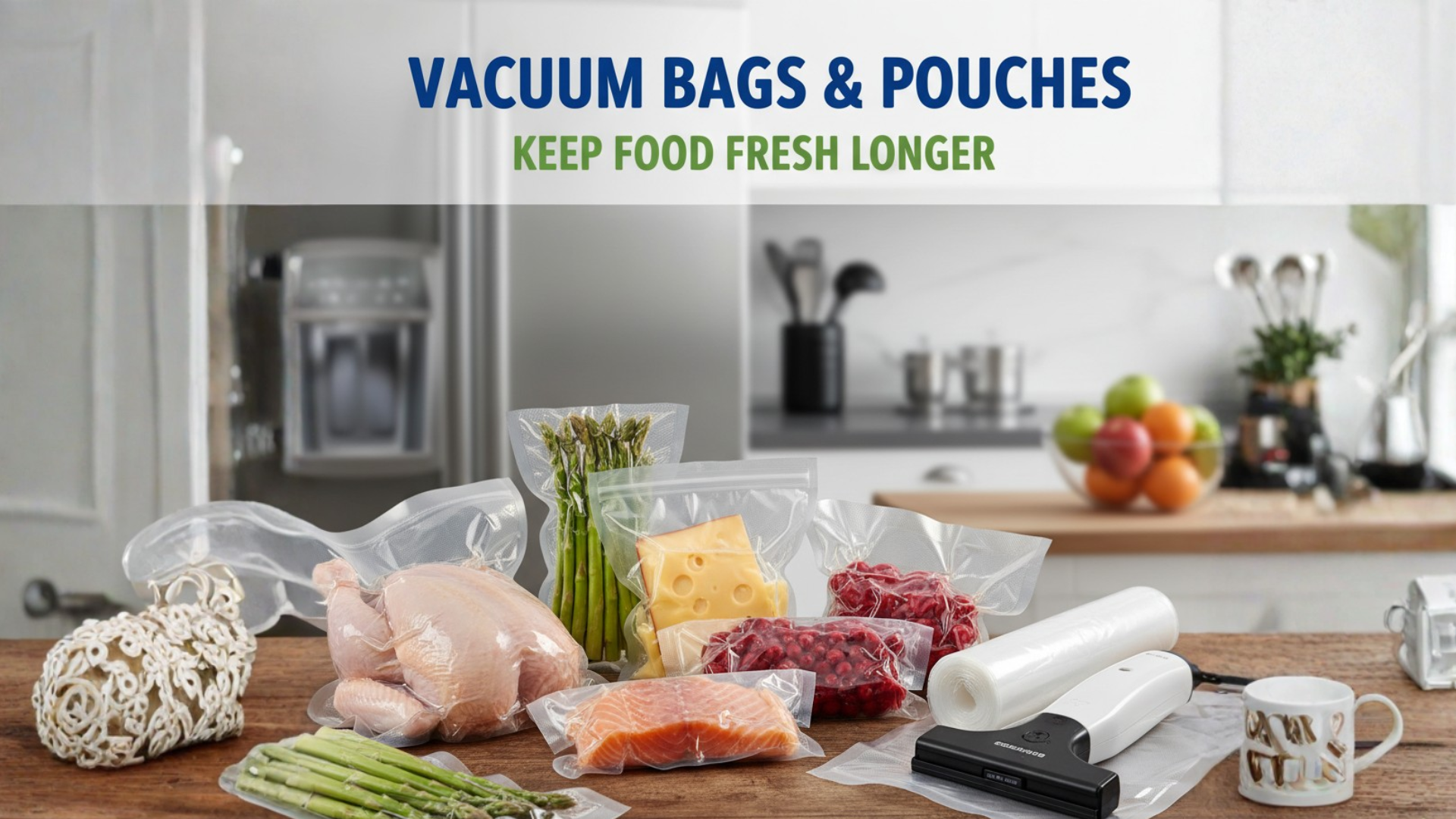
Keeping food fresh is still a common concern for any residential or commercial kitchen. One of the easiest and most successful ways to help preserve food is to store it using vacuum packaging.
Vacuum packaging eliminates air and seals your food inside durable, airtight bags. This way, it slows down bacterial growth, prevents freezer burn, and extends shelf life.
There are several different styles of vacuum-seal bags. However, their capabilities vary according to their intended purposes. If you are unsure which type of bag to choose, let us help you identify some of the best options available, as we understand their types and usage.
Vacuum packaging is a straightforward method for preserving food.
By creating a vacuum in the packaging, contents are protected from spoilage and deterioration. This is because there is no oxygen left in such packaging, which can otherwise lead to the growth of bacteria or mould.
As a result, the food items remain fresher for an extended period than they would with conventional packaging, due to the elimination of air.
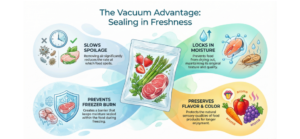
Some of the primary advantages of vacuum packaging include:
Also, using vacuum-sealed bags will enable you to maximize the amount of space in your refrigerator or freezer compared to what could be achieved by using typical plastic storage bags.
These bags have small embossed patterns that allow for the rapid expulsion of air from within the bags.
Best Used For:
Characteristics of Embossed Vacuum Seal Bags:
These vacuum seal bags are extremely reliable because they work well with approximately 99% of the vacuum sealers available to consumers and provide a higher level of food freshness than when using standard plastic storage bags.
Smooth vacuum pouches are designed specifically for use in chamber-style vacuum machines.
These pouches do not feature the textured surface found on vacuum pouches designed for home use.
Smooth vacuum pouches are best suited for the following:
Features:
Some foods need extra-strong packaging, especially those used to pack sharp or bone-in meats that can poke holes in regular bags. That’s when thick plastic vacuum bags become essential.
Best for:
Features:
If you stock food for many months, these bags offer the best protection.
Vacuum shrink bags are sealed in a vacuum after air is removed and then heated, resulting in a compressed seal between the bag and the product being packaged. These bags protect items stored by preventing moisture, oxygen, and other contaminants from entering and causing damage. These bags provide a compact, attractive, and protected package, thus enhancing the shelf life of the product stored inside.
Vacuum shrink bags are ideal for:
Benefits of Vacuum Shrink Bags:
No wonder they are one of the popular vacuum bag types to choose from.
These bags are larger than the standard size and are generally made from thicker nylon material. Many manufacturers produce heavy-duty vacuum bags that can hold a wide variety of food products, including meat, whole grains, bulk quantities of fresh produce, and other foods.
Best used for:
The zipper style of vacuum bags enables easy access to the product inside and allows users to reseal the bag easily without cutting it open.
Best used for:
Designed for short-term freshness and convenience, zipper vacuum bags are a useful tool in the home kitchen. They allow users to store food securely without needing to reseal it each time after use.
Food items that are overly prone to moist air, light sources, and external odor are protected with high-barrier vacuum seal bags. These bags come with an additional layer of protection.
What items should be packaged in this type of bag?
How does a high-barrier vacuum bag work?
High-barrier vacuum seal bags are found in numerous commercial food manufacturing facilities and specialty retailers.
Your choice depends on what you want to store. This quick infographic can help you find the right option.
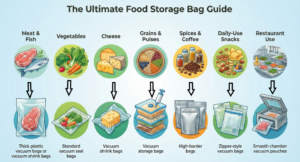
Vacuum packaging is one of the easiest methods to prolong the lifespan of nearly every type of food. However, it is important to choose the right type of vacuum packaging, whether you are storing vegetables in your home freezer or freezing meat in a restaurant.
Every type of vacuum bag has a different purpose and function. Understanding your goals will help you choose the right bag type.


Proper evidence handling is the backbone of any successful investigation. From crime scenes to courtrooms, the integrity of physical evidence determines whether facts hold up

In modern healthcare environments, safe and reliable packaging plays a critical role in infection control, organization, and operational efficiency. From hospitals and clinics to laboratories
Packaging plays a critical role in retail operations, customer experience, and brand perception. One of the most important decisions retailers face today is choosing between